
Armenia • Georgia • Azerbaijan
from 0 review
Daily Tour
1 person
English
Ancient churches carved into mountains. Wine that has been made the same way for 8,000 years. A fire that never stops burning. Alpine lakes, fairy-tale towns, and cities where old stone streets meet bold new architecture. This trip takes you through three of the most beautiful and least crowded countries in the world, all in less than two weeks. Here is exactly what your trip will look like, day by day.
Armenia — Day 1 to Day 3 About Yerevan
Yerevan is Armenia’s capital, and it mixes very old history with a fun, modern feel. The city is full of good food, warm and welcoming people, and interesting art and buildings. It is also an easy and affordable base for exploring the rest of Armenia’s beautiful countryside.
06.02.2027 / Day 1 — Arrival & Yerevan City Tour (L, D)
You land in Yerevan around 11:20 AM, have lunch, and head straight out for a city tour with photo stops. You will get an hour of free time for shopping, enjoy dinner, and then check in to your hotel.
Republic Square:
This is the main square of Yerevan and the heart of the city. It is famous for its “singing fountains,” which light up and dance to music at night. It is also home to the History Museum of Armenia, so it is a great first stop to get a feel for the city.
Cascade Complex:
The Cascade is a giant staircase built into a hillside, decorated with modern art and sculptures. As you climb up, you get a wonderful view over the city and, on a clear day, Mount Ararat in the distance. It is one of Yerevan’s most photographed spots, and it is easy to see why.
Matenadaran (Mesrop Mashtots Institute):
This is a museum built to protect and display Armenia’s ancient manuscripts. It holds thousands of old handwritten books and documents, some going back over a thousand years. If you enjoy history, this is a rare chance to see how Armenians recorded their story centuries ago.
Holy Mother of God Katoghike Church:
This small church dates back to the 13th century, making it one of the oldest buildings in the city. It survived for hundreds of years while much around it changed. Standing next to it gives you a real feel for how old Yerevan truly is.
Saint Gregory the Illuminator Cathedral Built in 2001, this cathedral is one of the largest Armenian churches in the world. It was built to celebrate 1700 years of Christianity in Armenia. Its size and modern design make it stand out, even among the city’s older churches.
Tsitsernakaberd — Armenian Genocide Memorial Complex:
Built in 1967, this memorial honours the memory of those lost in the Armenian Genocide. It is a quiet, moving place, and an important stop for understanding Armenia’s history. Many visitors say this is one of the most meaningful moments of their trip.
Megerian Carpet Museum:
This museum shows off Armenia’s long tradition of hand-made carpets. You can see how the carpets are woven and learn the stories behind their patterns. It is a colourful, hands-on way to learn about Armenian craft and culture.
Vernisaj Market:
This is Yerevan’s lively open-air market, perfect for your free shopping hour. You will find handmade crafts, local art, and souvenirs made by local sellers. It is a great place to pick up a real, one-of-a-kind gift to take home.
Along the drive, your guide will also point out other landmarks of the city, including Marshal Baghramyan Avenue, the Hrazdan Gorge, Victory Park, the Yerevan Ararat
Brandy-Wine-Vodka Factory, and the Yerevan Railway Station — a great way to see more of the city without adding extra stops.
Overnight stay: Yerevan
07.02.2027/ Day 2 — Tsaghkadzor, Lake Sevan & Sevanavank (B, D) Tsaghkadzor:
Tsaghkadzor is a pretty mountain town and Armenia’s most famous ski resort, sitting high up at around 1,841 meters. Its name means “gorge of flowers,” and it is known for clean mountain air and beautiful views in every season. Even outside ski season, it is a lovely place to relax and enjoy the mountains.
Tsaghkadzor Ropeway:
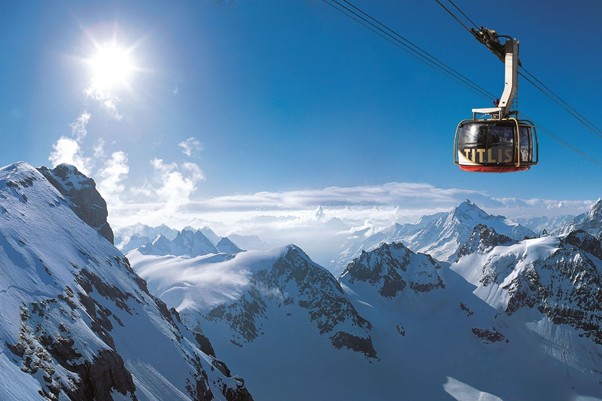
This cable car ride takes you up over the town’s stunning mountain scenery. You can get off at different points along the way to go hiking, have a picnic, or just enjoy the view. It is a fun, easy way to see the mountains without a long, tiring hike.
Kecharis Monastery:
Dating back to the 11th century, this monastery was once an important center for religion and learning in Armenia. Walking through its old churches and carved stone crosses feels like stepping back in time. Its main church, Surb Grigor, has beautiful old paintings inside that are well worth a look.
Lake Sevan:
Lake Sevan is a huge, high-up lake often called “the pearl of Armenia” because of its beauty. The water stays fairly cool all year, so most people come here to enjoy the views rather than swim. Even in cooler months, it remains one of the top places to visit in the whole country.
Sevanavank Monastery:
This monastery was built in the 9th century on what was once a small island in the lake. Over time, the water level dropped, and the island became the peninsula you see today. From here, you get one of the best views in Armenia, looking out over the lake and surrounding mountains.
Overnight stay: Yerevan
08.02.2027/ Day 3 — Transfer to Tbilisi via Dilijan, Haghpat & Sanahin (B, D)
After breakfast, you check out and begin the drive to the Georgian border, a trip of around 242 km that takes about 5 hours. Along the way, you will stop at some of Armenia’s most beautiful and historic spots.
Dilijan National:
Park Dilijan is known as “Armenia’s Switzerland” because of its thick forests and fresh mountain air. It is a lovely place to stretch your legs and enjoy nature partway through the drive. The peaceful, green scenery is a nice contrast to the busier city sightseeing of the past two days.
Haghpat & Sanahin Monasteries:
These two monasteries date back to the 10th century and are recognised as UNESCO World Heritage Sites. They are excellent examples of Armenian religious architecture, with strong stone walls and detailed carvings that have survived over a thousand years. Visiting both in one stop gives you a deep look into Armenia’s early Christian history.
Once you reach the border, you are picked up and transferred to your hotel in Tbilisi, Georgia’s capital city. The rest of the day is free for you to explore on your own.
Overnight stay: Tbilisi
Georgia — Day 4 to Day 8
Georgia is a small country where mountains, old churches, and famous vineyards all sit close together. It is one of the oldest wine-making places on Earth, and the people here are known for their warm, generous hospitality. Between soaring mountain peaks, fairy-tale towns, and a lively capital city, Georgia gives you a huge amount of beauty and culture in a very small space.
09.02.2027/ Day 4 — Ananuri, Gudauri & Kazbegi (B, D) Ananuri:
Ananuri is a striking old castle complex about 72 km from Tbilisi, set where two rivers meet. It was home to powerful local rulers from the 13th century and saw many battles over the years. The fortress is so well preserved that it is being considered for UNESCO World Heritage status, and it makes for a truly memorable first stop.
Gudauri:
Gudauri is a well-known mountain resort town, surrounded by the huge peaks of the Greater Caucasus mountains. It was once a stop along an old trading road connecting Russia and Georgia, so it has history as well as scenery. Whether it is winter snow or summer greenery, the mountain views here are simply stunning.
Kazbegi (Stepantsminda):
Kazbegi is a small mountain town sitting at about 1,744 meters, right below the towering Mount Kazbek. It is famous for the Gergeti Trinity Church, perched dramatically on a ridge with sweeping mountain views behind it. The surrounding national park is full of meadows, glaciers, and waterfalls, making this one of the most beautiful stops of the whole trip.
Overnight stay: Tbilisi
10.02.2027/ Day 5 — Bodbe, Sighnaghi & Kakheti (B, D) Bodbe Monastery:
Bodbe is a peaceful convent believed to be the burial place of Saint Nino, who brought Christianity to Georgia in the 4th century. It sits on a hillside overlooking the wide Alazani Valley, surrounded by tall cypress trees. A nearby spring is believed to have healing properties, adding a touch of local legend to your visit.
Sighnaghi:
Sighnaghi is often called Georgia’s “fairy-tale town,” known for its pastel houses, cobblestone streets, and old wooden balconies. It sits high up, overlooking the valley and snow-capped mountains in the distance, and is circled by an 18th-century defensive wall you can still walk along. It is also nicknamed the “City of Love,” and is a favourite spot for romantic getaways.
Kakheti:
Kakheti is Georgia’s most famous wine region, often called the “Cradle of Wine” thanks to its 8,000-year-old winemaking history. Wine here is still made using traditional clay vessels called qvevri, a method that goes back centuries. Between the vineyards, old monasteries, and delicious local food, this region gives you a true taste of Georgian culture.
Overnight stay: Tbilisi
11.02.2027/ Day 6 — Tbilisi City Tour & Transfer to Batumi (B, D) Holy Trinity Cathedral (Sameba):
Sameba is one of the largest Orthodox cathedrals in the world, and it towers over the city skyline. From up here, you get sweeping panoramic views across all of Tbilisi. It is a powerful, impressive way to start your day of sightseeing.
Metekhi Church & Vakhtang Gorgasali Monument:
This 13th-century church sits above the river, next to a statue of King Vakhtang Gorgasali, the legendary founder of Tbilisi. Together they mark one of the oldest
and most important spots in the city’s history. It is a short stop, but one full of meaning for the city below.
Narikala Fortress:
A short cable car ride takes you up to this old hilltop fortress, with beautiful views over Tbilisi’s Old Town and the Kura River. The ride itself is half the fun, gliding smoothly above the rooftops. From the top, you get one of the best photo opportunities of the whole trip.
Abanotubani (Sulfur Bath District):
This historic neighbourhood is known for its old sulfur bathhouses and lively atmosphere. Walking through here feels different from the rest of the city, with a warm, local character all its own. It is a nice, easy stroll between bigger sightseeing stops.
Sioni Cathedral & Anchiskhati Basilica:
These two churches are some of Georgia’s most important religious sites, each with its own long history. Their architecture reflects centuries of Georgian craftsmanship and faith. Visiting both gives you a deeper look into the country’s religious heritage.
Shardeni Street:
This lively street is full of cafes, art galleries, and small boutique shops. It is the perfect spot for a relaxed lunch break in the middle of your sightseeing. The lively, artsy atmosphere makes it a favourite with visitors.
Mother of Georgia Statue:
This large statue overlooks the whole city and represents Georgian hospitality and strength. You can reach it by tram or on foot if you enjoy a walk. Either way, the view from up here is well worth the trip.
Bridge of Peace & Rike Park:
This modern glass bridge connects the Old Town with the newer part of the city. Walking across it, then relaxing in the park on the other side, shows you both the old and new sides of Tbilisi in one stop. It is a nice, easy way to end your city tour.
In the evening, you transfer to Batumi on the Black Sea coast and check in to your hotel for the night.
Overnight stay: Batumi
12.02.2027/ Day 7 — Batumi City Tour (B, D) Piazza Square:
This charming square was designed to look like an old Italian plaza, complete with colourful stained-glass windows and a clock tower that chimes every hour. It is surrounded by cafes and restaurants, making it a lively, relaxed place to spend some time. Many visitors say it reminds them of Venice’s famous squares.
Ali and Nino Statue:
This unique moving statue shows two figures who slowly come together, merge, and then separate again every ten minutes. It represents love and unity between different cultures. Watching the figures move is a fun, unusual thing to see, and a great photo opportunity.
Europe Square:
Also called Era Square, these lively square mixes 19th and 20th century architecture in one lovely open space. It is a popular gathering spot, surrounded by shops and cafes. It gives you a good sense of Batumi’s blend of old and new.
Medea Statue:
This bronze statue honours the ancient Greek story of Medea, a princess from this region who helped Jason find the Golden Fleece. It stands tall in Europe Square, holding the fleece up high. It is a striking reminder of just how old this region’s history really is.
Batumi Boulevard:
This scenic seaside path runs for 7 km along the Black Sea coast, lined with palm trees and thousands of plants. It has been a favourite place to walk since 1881, and it remains just as lovely today. It is the perfect spot for a relaxed stroll by the sea.
Argo Cable Car This cable car takes you up Anuria Mountain in about 15 minutes, giving you sweeping views over the city and the Black Sea. It is an easy, fun way to see Batumi from above without any real effort. The view from the top makes it well worth the short ride.
Overnight stay: Batumi
Azerbaijan — Day 8 to Day 13 About Azerbaijan
Azerbaijan is a country where old and new sit side by side, from ancient walled cities to bold, modern skyscrapers. It is known as the “Land of Fire,” thanks to its natural burning flames and long history tied to oil and gas. Between its lively capital, dramatic mountains, and unique desert and coastal landscapes, Azerbaijan gives you a side of the Caucasus unlike anything you have seen in Armenia or Georgia.
13.02.2027/ Day 8 — Transfer to Tbilisi, Flight to Baku & Welcome Dinner (B, D)
After an early-morning check-out with a packed breakfast, you transfer from Batumi to Tbilisi Airport for your 11:40 AM flight to Baku. On arrival in Baku at 12:50 PM, you are met by your local English-speaking guide and transferred to your hotel (hotel check-in starts from 3:00 PM). In the evening, you head out for dinner at a local restaurant.
Overnight stay: Baku
14.02.2027/ Day 9 — Baku to Gabala: Shamakhi Juma Mosque, Gabala Cable Car & Seven Beauties Waterfall (B, D)
After breakfast, you check out and drive northwest from Baku into the green, mountainous Gabala region, stopping at Shamakhi along the way.
Shamakhi Juma Mosque:
This is one of the oldest mosques in the Caucasus, with a history going back over a thousand years. You’ll make a short visit or photo stop here on the way, though access inside can depend on prayer times. Either way, it is a meaningful first glimpse of Azerbaijan’s older, more spiritual side.
Gabala Cable Car (Tufandag Mountain Resort):
This cable car ride takes you high into the mountains around Gabala, with wide, beautiful views opening up the whole way up. Weather and schedules can affect exact timings, so this ride will be reconfirmed with the local operator closer to your travel date. Even so, it remains one of the true highlights of the whole Azerbaijan section of your trip.
Seven Beauties Waterfall:
This waterfall is one of the most beautiful natural sights near Gabala, especially impressive in spring when melting mountain snow gives it a strong, powerful flow. Reaching it involves a short walk, so comfortable shoes with good grip are recommended. The sight and sound of the falling water make it a lovely way to round off your time in Gabala.
After dinner, you check in to your hotel in Gabala for the night.
Overnight stay: Gabala
15.02.2027/ Day 10 — Gabala to Baku: Qobustan Mud Complex, First Oil Well & Bibiheybat Mosque (B, D)
After breakfast, you check out and drive back towards Baku, stopping at the Qobustan mud volcano area and the historic oil fields along the way.
Qobustan Mud Museum:
The museum’s Natural History Exhibition gives you a closer look at the wildlife connected to the mud volcano region. It displays nearly 100 animal skeletons from Azerbaijan and around the world, along with up to 900 species of dried insects and creatures preserved in formalin. It helps you understand how life here has lived alongside the volcanoes over time.
Qobustan Mud Volcanoes:
Unlike regular volcanoes, these do not spew out lava. Instead, pressurised pockets of gas and water deep underground push their way up, bringing thick, bubbling mud to the surface. Watching the mud bubble and pop right in front of you is a genuinely unusual experience you will not find in many places in the world.
World’s First Mechanically Drilled Oil Well:
Drilled in 1846 in the Bibi-Heybat settlement just outside Baku, this was the first mechanically drilled oil well anywhere in the world. It was only 21 metres deep when it produced its first gush of oil in 1847, marking the true beginning of the modern oil industry.
Bibiheybat Mosque:
Dating back to the 13th century, this mosque was destroyed during Soviet times and carefully rebuilt in the 1990s. Its detailed tilework and elegant domes sit beautifully against gardens and sweeping Caspian Sea views. It is a peaceful, meaningful stop to end your sightseeing for the day.
After dinner, you check in to your hotel in Baku.
Overnight stay: Baku
16.02.2027/ Day 11 — Baku to Qusar: Guba Tour with Qechresh Forest, Chenlibel Lake, Red Village & Khinalig (B, D)
After breakfast, you check out and head north to the Guba region for a full day of forests, mountain lakes and remote villages, ending the day in Qusar.
Guba Carpet Workshop:
Guba is an old town known across Azerbaijan for its beautiful mountain scenery and centuries-old tradition of handmade carpet weaving. You’ll visit a local carpet workshop to see this craft still being made by hand today. It is a colourful, hands-on way to understand a tradition passed down through generations.
Qechresh Forest:
This forest is one of the most scenic natural areas in the Guba region, known for its lush greenery and dramatic mountain backdrop. Driving and walking through it gives you a real sense of just how green and wild this part of Azerbaijan can be. It is a peaceful, refreshing stop on your way further into the mountains. The area is also known for its natural springs and wild walnut, hazelnut and apple trees.
Chenlibel Lake:
Originally built to irrigate the land, this lake is now considered one of the most beautiful spots in the whole Guba region. Its crystal-clear water reflects the surrounding mountains and forest, creating a calm, scenic setting. If time allows, you can enjoy a cup of freshly brewed tea beside the lake while taking in the scenery and fresh mountain air.
Red Village (Jewish Settlement):
This unique village is home to a thriving Jewish community, one of the few of its kind still active in the region today. Walking through it offers a rare and interesting look into a small, close-knit culture with deep local roots. It is a side of Azerbaijan that most visitors never get to see.
Khinalig Village:
Khinalig is the highest inhabited village in the Caucasus, and one of the oldest in the whole region. Life here has stayed simple and close to tradition for centuries, largely thanks to how remote and high up it sits. Visiting feels like stepping into a completely different, older way of life. You travel up by off-road vehicle, and this visit depends on weather and road conditions on the day.
After dinner, you check in to your hotel in Qusar for the night.
Overnight stay: Qusar
17.02.2027/ Day 12 — Shahdag Mountain Resort & Transfer to Baku (B, D)
After breakfast, you check out and make the short drive to Shahdag, Azerbaijan’s best-known mountain resort, set high in the Greater Caucasus.
Shahdag Cable Car:
The cable car carries you up the mountain, with sweeping views over the snowy peaks and valleys below. It is the best way to take in the scale of the Caucasus mountains in one go.
Free Time at the Resort:
You then have free time to enjoy the resort and its activities at your own pace. Activities other than the cable car are at your own cost.
After dinner, you transfer back to Baku for the night.
Overnight stay: Baku
18.02.2027/ Day 13 — Baku City Tour, Absheron & Departure (B, D)
After breakfast and check-out, you spend your final day exploring Baku, from its walled old city to its modern landmarks, before heading out to the fire sites of the Absheron Peninsula.
Nizami Street & Fountain Square:
Nizami Street is Baku’s main central street, lined with shops, cafes and restaurants. It leads into Fountain Square, a lively meeting spot in the heart of the city.
Old City (Icheri Sheher):
This walled old town is the historic center of Baku, home to the famous Maiden Tower and Palace of the Shirvanshahs. It was the very first place in Azerbaijan to be named a UNESCO World Heritage Site. Walking its narrow streets feels like stepping into a different century. You also walk around the old city walls and see its historic caravanserais.
Juma Mosque:
This mosque dates back to the early 1300s and has been rebuilt several times over the centuries. The current building was finished in 1899, funded by a local merchant. Standing inside, you can feel just how many generations have prayed here before you.
Baku Boulevard:
This long seaside promenade was built starting in 1909, back when Baku’s oil-rich families built their mansions along this same shoreline. It remains one of the most popular places in the city for a relaxed walk. The sea views alone make it worth a stop.
Little Venice:
This charming spot has canals and bridges inspired by the real Venice in Italy. You can take a gentle gondola ride, then relax at a cafe by the water. It is a romantic,
unexpected corner of Baku that most first-time visitors love. (Entry ticket and gondola ride not included.)
Upland Park:
Sitting at the highest point in the city, this park gives you sweeping views over all of Baku and its bay. You can reach it by a quick cable car ride or by climbing a long set of stairs. Either way, the view from the top is one of the best in the whole city.
Heydar Aliyev Centre:
Designed by famous architect Zaha Hadid, this building is known for its bold, flowing shape with no sharp angles anywhere. It stands out as one of the most modern and striking buildings in the whole region. Even if you are not usually interested in architecture, this building will impress you. (Photo stop outside the building.)
Ateshgah Fire Temple:
This castle-like temple was once used by Hindu, Sikh, and Zoroastrian worshippers, all drawn here by its natural fire. Its name comes from the Persian word for fire, “Atash.” It is a rare and fascinating look into ancient religious traditions from this part of the world.
Yanar Dag (Burning Mountain):
This natural wonder has been burning nonstop for centuries, fuelled by gas seeping up from underground. Flames here can reach up to 10 metres high, and the sight is genuinely mesmerizing. It holds deep cultural meaning too, tied closely to ancient Zoroastrian beliefs.
After an early dinner, you transfer to Baku Airport for your 9:00 PM flight to Mumbai.
…Tour End…
Hotel Details
| Destination | Hotel name |
| Yerevan | Sphera by Stellar Hotels or similar |
| Tbilisi | Hotel Astoria or similar |
| Batumi | Graphic hotel or similar |
| Baku | Parkside hotel or similar |
| Gabala | Gabala Garden hotel or similar |
| Qusar | Ilk inn hotel or similar |
| Date of Departure | Package Cost |
| 06.02.2027 | 240000/- |
| 05.03.2027 | 250000/- |
| 17.04.2027 | 250000/- |
Inclusions:
- Airfare
- Accommodation in 4-star category hotels
- Meals as per mentioned in the
- VISA & Insurance
- Private Transfers
- Entrance/ Admission Fees (Garni Temple Tickets, Tbilisi Cable Car, Off-road Vehicle Services to Gergeti Trinity Church during Kazbegi tour, Wine-tasting in KTW for Adults, Ateshgah Temple, Burning Mountain, Qobustan Mud Museum Complex, Gabala Cable Car, Shahdag Cable Car, Chenlibel Lake, Off-road Vehicle to Khinalig Village)
Exclusions:
- 5%GST & 2%TCS
- Tips & Gratuities
- Personal Expenses
- Anything not specifically included
Payment Policy
|
Before 90 days |
Rs.25,000/- |
| On or before 90 days from the date of departure |
30% of total tour cost |
| On or before 60 days from the date of departure | 50% of total tour cost |
| On or before 30 days from the date of departure | 100% of total tour cost |
Cancellation Policy
| Before 60 days | INR 10,000/- |
| Between 31 to 59 days | 25% of total tour cost |
| Between 16 to 30 days | 50% of total tour cost |
| Within 15 to 0 days | 100% of total tour cost |
IMPORTANT NOTES
- There is no refund for any non-utilization of any
- Private Vehicle is available for POINT-TO-POINT SERVICES and is not on disposal basis.
- Optional Cost is not included in the Holiday
- Child without bed policy will be applicable for child under age of 3 Years
- Due to Safety and Health Restriction at hotels, Maximum 3 Person in Room Allowed
- Rights reserve to management to claim any additional expenses incurred due to delay or changes in schedules of train, airplane, bus, ship or any other services
- Tour Manager may amend itinerary if certain attractions, sights, monuments, museums, etc. are closed.
- Depending upon the traffic and other unavoidable circumstances, the tour manager may amend, alter or withdraw any particular itinerary or sightseeing or attraction, departure or excursion. No claim on this account will be
- Meals are pre-set & a-la carte is not possible. In some of the places included in the itinerary, Indian Restaurants may not be available and in such cases, local meals will be provided.
- The company shall not accept any liability or responsibility for any damages, loss of baggage, loss, injury, accident, death, breakdown or irregularity on tour.
- Long Travelling: This itinerary is designed as a comprehensive, cross province journey covering substantial distances. To experience these incredible regions, you will encounter extended and demanding overland travel times on some day(s). By finalizing this booking, you explicitly acknowledge that this package features an intense travel pace with long periods spent on trains or road vehicles.
- The tour manager and driver will do their best to get you as close to the monuments as possible, because in some city’s coaches are restricted.
- Please note that certain activities, sightseeing excursions, and rides included in this itinerary are adventurous in nature and carry inherent physical demands. Sailani Tours N Travels Ltd. acts solely as a facilitator and is not liable or responsible for any personal injuries, accidents, illness, or loss suffered by guests while participating in these activities. Furthermore, the company assumes no financial or legal liability for operational delays, disruptions, or guest injuries caused by mechanical failures, technical faults, or stalled rides at third-party attraction sites.
- Timely payments keep everything running smoothly. Please note that maintaining our payment schedule is strict requirement. If a payment is missed or delayed, your order or service may be cancelled, and any deposits or partial payments already made will be forfeited.
- This itinerary incorporates services operated by third-party providers, including but not limited to airlines, hotels, theme parks, cruise lines, and local transport operators. All scheduled tours, sightseeing, and activities are arranged based on public domain information available at the time of publication. Sailani Tours N Travels Ltd. acts solely as an intermediary and is not liable for any deficiencies, service lapses, failures, or negligence by these third-party vendors. Furthermore, the company assumes no responsibility or financial liability for any sudden modifications, delays, closures, or cancellations of schedules, attractions, or services made by third-party vendors either after the release of this itinerary or during the tour.
- Payment Receipt & Validation: The Company acknowledges only those payments successfully deposited and credited into its official bank account via cheque, RTGS, NEFT, cash, or any other authorized payment A formal money receipt will be issued exclusively for payments successfully received by the Company.
- Non-Authorization of Individuals: The Company has not authorized any individual, including its sales officers, agents, or employees, to accept or receive payments in their individual capacity or personal name.
- Liability Limitation: The Company shall assume no responsibility, liability, or obligation for any payments, transactions, or funds that are not directly credited to the official bank account of the Company.
- Any damage caused to hotel rooms/coach during your stay, shall be borne by the concerned passengers.
- Some hotels require a deposit of security money at the time of check-in which is returned at the time of check-out. Pax may be required to pay such security
- There are no refunds for any services i.e. meals, sightseeing, etc. not utilized on your tour.
- Once an air ticket is issued, date change penalty cost will be Check with our Sales Officer for the applicable charges.
- If a child under shares a room with 1 adult, then the tour price of an adult on twin sharing basis will be applicable for the child.
- Should the period of travel, or the number of participants, or the type of accommodation, or the type of transport or the duration of the trip, change the quote will be revised accordingly.
- If two solo passengers share a twin/double room and one passenger contracts, or is reasonably suspected by the tour leader or local health authorities to have contracted a contagious or infectious disease during the tour, the affected passenger must immediately relocate to a separate, single room (subject to availability). The affected passenger shall bear all costs associated with this change. These costs include, but are not limited to, single-room accommodation charges, meals, medical consultations, testing, quarantine fees, and any alternative transport or re-booking fees required by the tour operator or local laws.
- The agency assumes no legal or financial liability for any sickness, illness, or medical emergencies contracted or experienced by any passenger during the tour. Travelers are strictly advised to thoroughly read, understand, and evaluate the specific demands of this itinerary before booking.
- If the tour does not operate due to ‘Force majeure’ g. cancellation of flights, natural calamity, non-receipt of valid visa by any fellow group member/s which results to fall of group MOS (minimum operating strength) etc. or for any other reason, then cancellation charges levied by airlines and other service charges will be borne by the passengers.
- The Company provides advisory services solely to assist participants with the visa application process. The final decision, processing timelines, and issuance of any visa remain within the absolute discretion of the relevant visa-granting authorities. Consequently, the Company accepts no responsibility or liability for the delay, non-receipt, or rejection of any visa application.
- In the event that a participant is unable to join the tour due to the non-receipt or delayed receipt of a visa, the Company shall be entitled to recover from such participant all resulting expenses and losses, including individual non-refundable expenses, proportional group costs, fixed operational overheads, and compromised group booking benefits.
- In the event of cancellation of a tour for whatsoever reasons, depending upon the mode of credit received by the company from suppliers including airlines, refund if any will be given either by way of credit note or payment to your bank account. Refund will be processed within 60 days from the date of the proposed date of departure of the tour.
- In the event of any discrepancy in terms and conditions detailed in booking form visa is this itinerary, terms mentioned here in above will prevail.
- All disputes are subject to Kolkata jurisdiction.